Staged Dispute Resolution Can Help Families Address Conflict
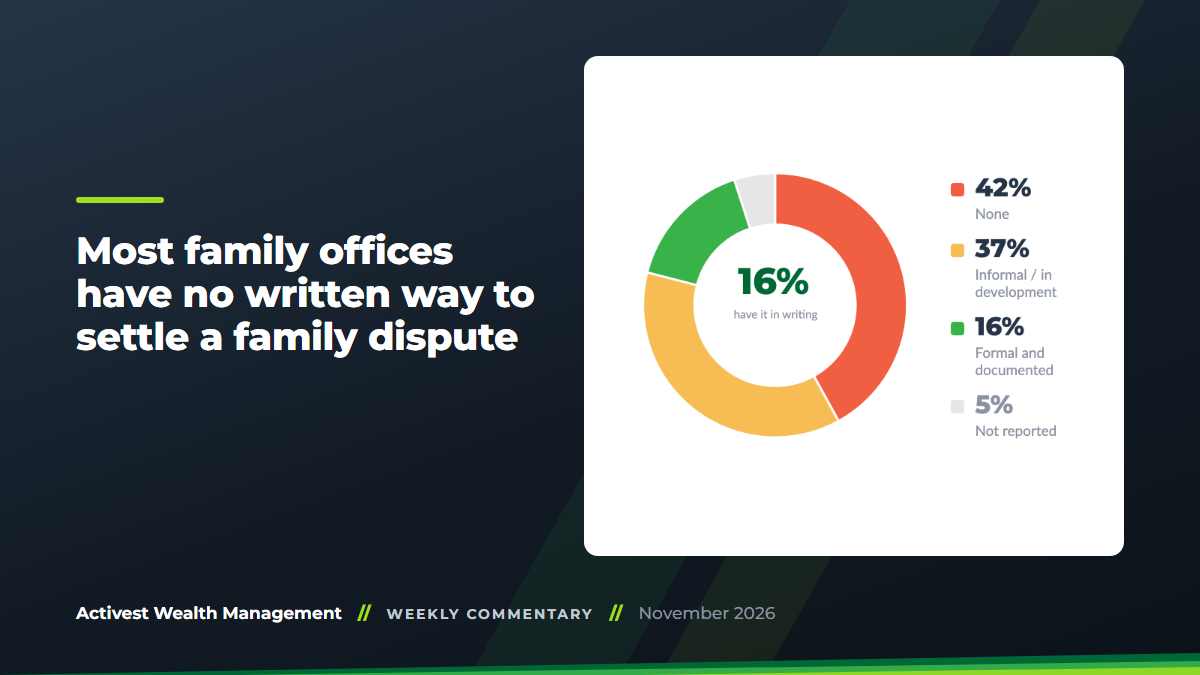
Family enterprise disputes often combine legal and financial questions with deeply personal concerns. A staged process, ending in arbitration only when necessary, can help.
Internal process, then mediation, then arbitration when a final decision is necessary
A staged approach to disputes, beginning inside the family and moving to mediation and, when necessary, arbitration, can help families address conflict while protecting privacy, business continuity and family relationships. Many small family-owned businesses and farms operate without any formal family agreement.
In one reported case, a father transferred the family farm to his two sons by quitclaim deed while reserving a life estate for himself. There was no detailed agreement governing the division of the land, farm operations, decision-making authority or dispute resolution. When the brothers later disagreed over finances and their roles, the family attempted an ad hoc mediation that was unsuccessful. The family proceeded to litigation, which expanded into a jury trial and, later, a bench trial involving partnership dissolution. After six years of litigation, the parties settled shortly before the farm’s liquidation. By then, the multigenerational enterprise had been dissolved, and family relationships had been significantly damaged.
One practical model has three stages: an internal discussion or family council process, then mediation, then arbitration when a final decision is necessary. The American Arbitration Association (AAA) describes mediation as a voluntary, non-binding process in which a neutral mediator does not make a decision but facilitates communication. The AAA describes arbitration as a private, legally binding process in which a neutral arbitrator issues a final binding award. A thoughtfully designed staged protocol can help preserve privacy, reduce escalation, create procedural clarity and provide a path to finality when needed. Each step has its own costs and limits, and the choice among them is a legal question as much as a family one.
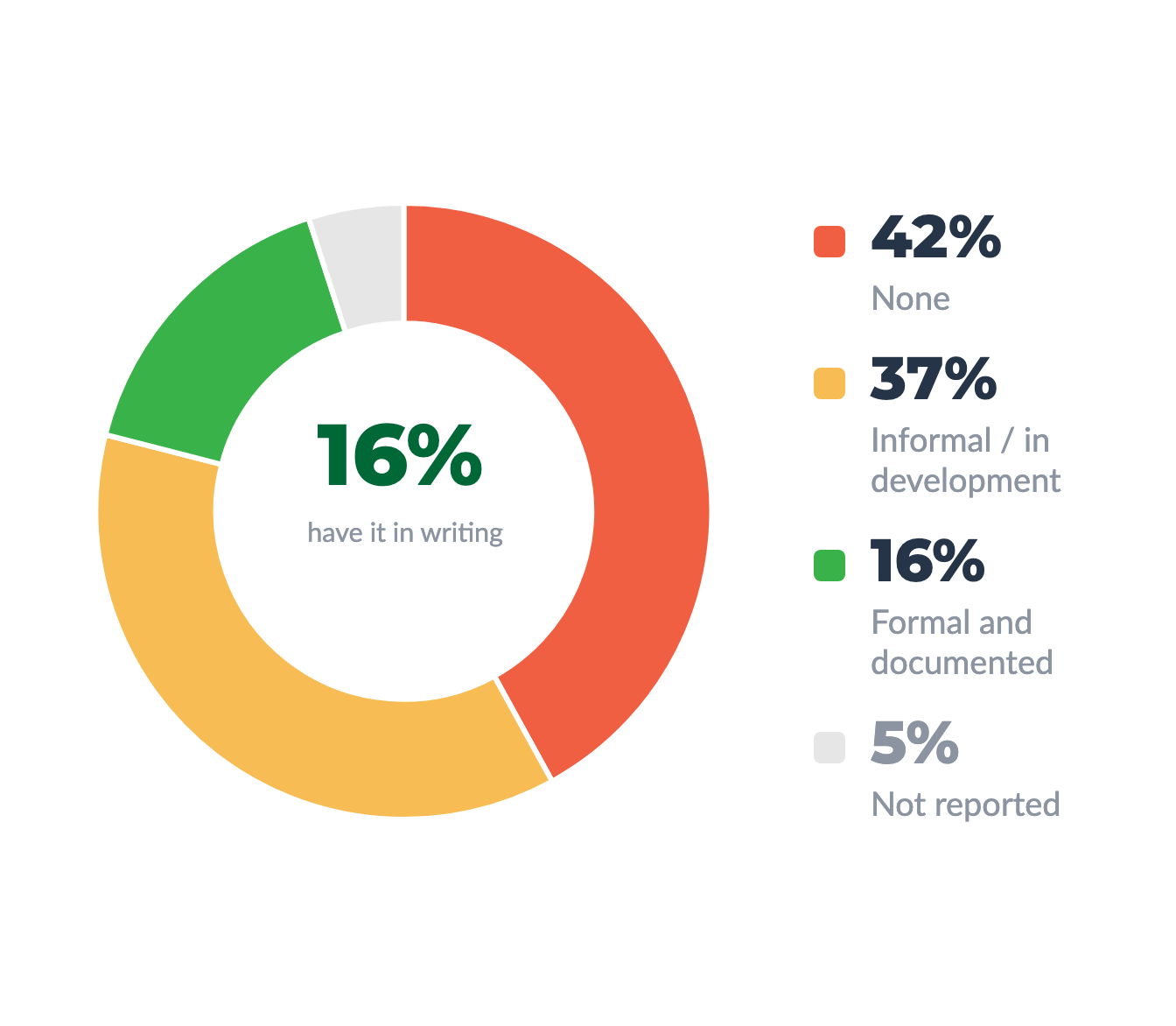
Source: Campden Wealth / RBC, The North America Family Office Report 2026, Figure 5.1 (155 family offices). Rows do not sum to 100%; RBC did not report a residual category, shown here as “not reported”.
Activest Wealth Management, LLC is an investment adviser registered with the U.S. Securities and Exchange Commission; registration does not imply a certain level of skill or training. This material is provided for informational purposes only and does not constitute investment, legal or tax advice, an offer to buy or sell securities, or a solicitation of any offer. Information herein is drawn from sources believed to be reliable, but its accuracy and completeness are not guaranteed. Views are as of the date of publication and subject to change without notice. Index returns do not reflect the deduction of advisory fees or expenses, and you cannot invest directly in an index. Past performance is no guarantee of future results. All investments involve risk, including possible loss of principal. Please refer to Activest Wealth Management, LLC’s Form ADV Part 2 for additional information and risks. All market data as of the close on the date shown unless otherwise noted.